Lash Extension Weight: A Beginner's Guide
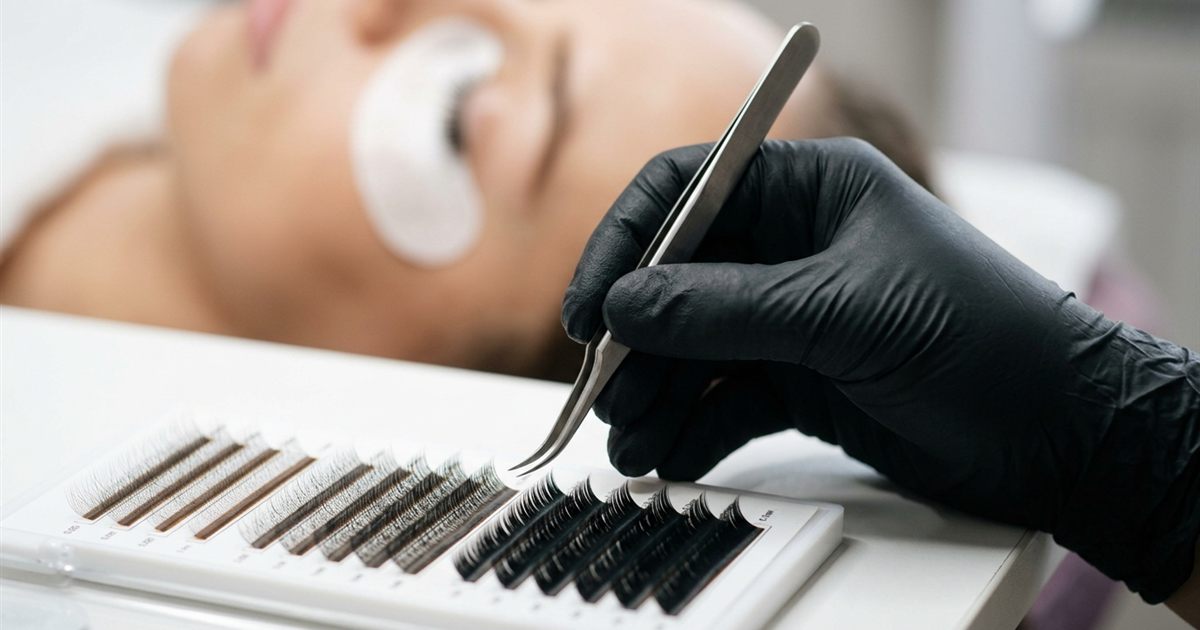
Ask a client what she wants from her lashes and you will hear words like fluffy, dramatic, natural or full. Almost nobody says “the right weight.” Yet weight is one of the most important decisions in every set, because it decides how comfortable the extensions feel, how long they last and whether the natural lashes underneath stay healthy. Beginners often focus on speed and on the look of the finished set, and learn about weight only after a client comes back with stressed lashes. If you are planning to take an eyelash extension course, understanding weight from the start will make you a safer and more professional artist.
Free Guide
Get Your Free Lash Extensions Starter Guide

A $17 value, yours free today. We'll send the guide straight to your inbox in the next minute.
You'll also get occasional lash tips by email. Unsubscribe anytime.
Every extension is a small weight hanging from a natural lash that is thinner than you think. A beautiful set that damages the lashes underneath is not a beautiful set.
What Lash Extension Weight Really Means
Weight is the load an extension adds to the natural lash. It comes from three things you control:
- Thickness (diameter). Extensions come in different thicknesses, measured in fractions of a millimeter. A thicker extension is heavier.
- Length. A longer extension acts like a longer lever, so it pulls more on the base of the natural lash, even if the thickness is the same.
- Adhesive. Too much adhesive adds weight and can also cause clumping and stickiness. This is why adhesive control matters, a topic explained in why your course’s adhesive brand matters.
The natural lash, meanwhile, is not identical from client to client. Some people have thick, strong lashes that carry a fuller set comfortably. Others have fine, short or sparse lashes that need a much lighter approach. Matching the weight of the extension to the strength of the natural lash is one of the central skills of the trade.
Why Natural Lashes Are Easier To Stress Than You Think
A natural lash grows out of a small follicle, and it sheds and regrows on its own cycle. When an extension is attached, it rides on that lash until the lash sheds naturally. If the extension is too heavy, it keeps tugging at the follicle every time the client blinks, sleeps or touches her eyes.
Over time this can lead to lashes that look thinner, lashes that fall out earlier than they should or a client who feels a sore, tight sensation along the lash line. Many of the complaints people blame on “lash extensions” are really weight or technique problems. To understand the structure you are working with, read eye and lash anatomy 101 before a lash course.
Thickness: The Classic And Volume Difference
One reason classic and volume sets feel so different is the thickness of the extension used.
- Classic sets place one extension on one natural lash, so the extension is usually thicker. It has to be strong enough to look full by itself.
- Volume sets place a fan of several very fine extensions on one natural lash. Each individual extension is much thinner, so the total weight of the fan stays manageable.
The point is that a fan is not automatically heavier. A well made volume fan built from ultra fine extensions can weigh about the same as a single classic extension. But a fan made with extensions that are too thick, or with too many extensions, can overload a fine natural lash quickly. If you want a deeper comparison, see classic versus volume lashes and hybrid lash extensions explained simply.
Length: The Overlooked Half Of The Equation
Beginners often choose length by how long a look they want, not by what the natural lash can carry. A very long extension on a short or fine natural lash can look impressive in the mirror and feel terrible after a few days. Many trainers teach a rule of thumb that the extension should be only slightly longer than the natural lash, and that any extra length should be chosen carefully. Exact guidance varies between trainers and brands, so follow the standards taught in your own training.
Length also affects the style. Mixing lengths creates a more natural, textured look, while a uniform, very long set can look heavy and flat. This is where mapping comes in, and lash mapping for every eye shape shows how to design a set that looks full without relying on excess length.
Curl, Length And Thickness Work As A Team
Weight should never be decided alone. The three choices influence each other. A stronger curl changes how a lash sits and how it looks, a longer length increases the pull, and a thicker extension adds load. Changing one usually means adjusting another. The complete picture is covered in our guide to lash curls, lengths and thickness, which is worth reading alongside this one.
How To Assess A Client’s Natural Lashes
Before you choose any extension, take a few minutes to look at what is actually there. During the consultation, check:
- Thickness and strength. Are the natural lashes fine and delicate, or thick and sturdy?
- Length and density. Are there gaps, short lashes or areas that look sparse?
- Condition. Are there signs of previous damage, breakage or irritation?
- Growth stage. Are some lashes very new and thin, and likely to shed soon?
- Habits. Does the client rub her eyes, sleep on her face or use products that weaken adhesive?
A structured consultation makes this easy, and the guide to the lash client consultation step by step shows which questions to ask. If a client’s lashes are already stressed, read fixing damaged lashes before a full set before you decide whether to proceed.
If in doubt, go lighter. You can always add fullness at the next fill, but you cannot undo stress on a lash that has already been overloaded.
Signs A Set Is Too Heavy
You do not need to guess. Watch for these signs, either during the appointment or when the client returns:
- Lashes that droop, twist or point downward instead of holding their shape.
- Natural lashes that come out together with the extension, especially in the first few days.
- A client who mentions pulling, heaviness or tenderness on the lash line.
- Uneven wear, where some areas look much thinner after only a short time.
- Lashes that look stressed or sparse compared with the previous appointment.
If you notice any of these, do not push through. Lighten the next set, shorten the length, use thinner extensions and give the natural lashes time to recover. This is also a common cause of poor retention, so how to fix poor lash retention is a helpful companion article.
Working With Fine, Short Or Sparse Natural Lashes
These clients often want the fullest set you can create, and they are the ones most at risk of getting a set that is too heavy. A responsible artist explains why lighter is better, and offers options that still look flattering. Ultra fine extensions, shorter lengths and careful spacing can create the impression of fullness without overloading the lash. Read lash training for clients with thinning lashes for practical ideas on setting expectations.
Practicing Weight Awareness As A Beginner
You cannot feel weight on a mannequin the way a client would, so you have to train your judgment differently.
- Compare trays side by side. Look at different thicknesses and lengths next to each other so you understand the differences.
- Practice mapping with lighter choices first. Get comfortable making a set look good without maximum thickness.
- Keep notes. Record what you chose, how it wore and what you would change. A practice routine between lessons makes this easier.
- Ask for feedback. A trainer can spot a heavy set that you cannot see yet. See how an online course checks your technique.
Common Weight Mistakes Beginners Make
- Choosing thickness to hide inconsistent placement. Heavier extensions do not fix poor technique.
- Using the same set for every client. Each client needs a plan based on her own lashes.
- Adding too many extensions to a fan. More is not always better.
- Ignoring adhesive amount. Excess glue adds weight and causes clumping.
- Promising unlimited fullness. Set honest expectations early. See clients with unrealistic lash expectations.
What Our Course Includes
The Lash Extensions Master Course teaches lash selection as part of the whole process, with 31 high quality video lessons that cover lash education, styling, retention, adhesives, consultation, full set application, refills and removals. You also receive a 90+ page Classic, Hybrid and Volume Lash Training Manual with illustrations, a homework template and a notes section, along with lifetime access and a Certificate of Completion. The goal is to help you make confident decisions about every set, not just to place extensions quickly.
Final Thoughts
Weight is invisible in the finished photo, but your client feels it every day, and her natural lashes feel it most of all. Learning to balance thickness, length, curl and adhesive is what separates a lash artist who creates beautiful sets from one who creates beautiful sets that last and protect the lashes underneath. When you compare lash courses, look for one that teaches selection and lash health, not only application. If you are still choosing, start with how to choose a lash extensions course.
Free Guide
Get Your Free Lash Extensions Starter Guide
A $17 value, yours free today. We'll send the guide straight to your inbox in the next minute.
You'll also get occasional lash tips by email. Unsubscribe anytime.
Frequently Asked Questions
It is the load an extension puts on the natural lash it is attached to. Weight depends mainly on the thickness and the length of the extension, plus the amount of adhesive used.
Keep Reading
Popular Lash Training Guides
- Minimum Age For Eyelash Extension Training
- Eyelash Extension Training Cost In 2026: Real Breakdown
- Lash Tech License Requirements By State
- Is It Hard To Learn Eyelash Extensions? Honest Answer
Ready to go from reading to doing? See the full Lash Extensions Master Course or browse all lash training guides.