Fixing Damaged Lashes Before A Full Set
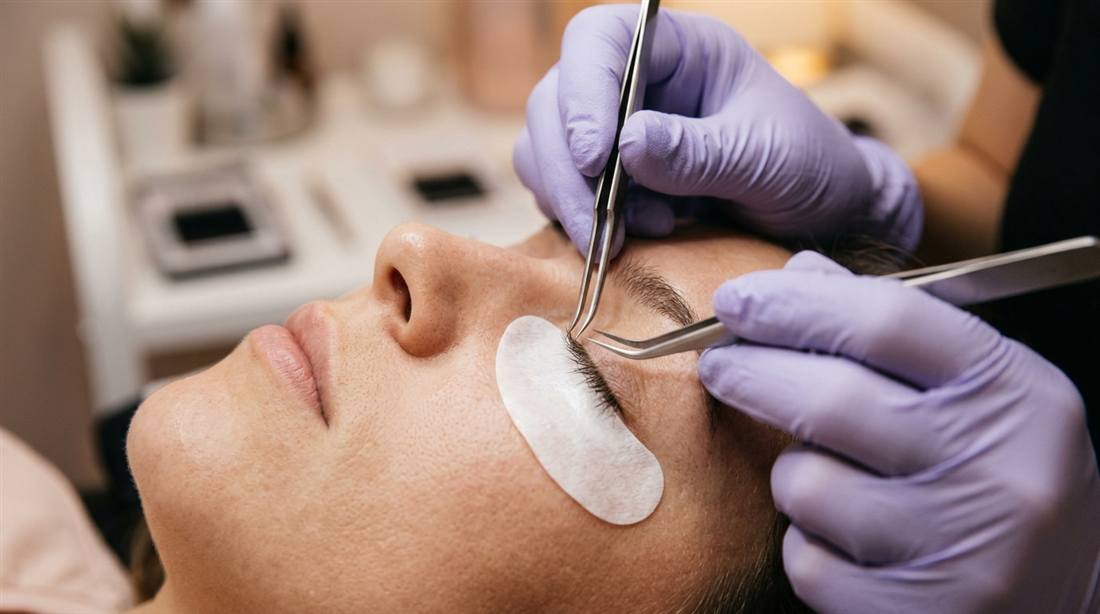
Sooner or later, a client is going to sit in your chair with natural lashes that are already thinning, brittle, or patchy from a previous set gone wrong, and what you do in that first five minutes matters more than any application technique you will ever learn. Here is what a proper lash extensions course should actually teach you about that moment, and why skipping it is one of the more expensive gaps in a rushed program.
Free Guide
Get Your Free Lash Extensions Starter Guide

A $17 value, yours free today. We'll send the guide straight to your inbox in the next minute.
You'll also get occasional lash tips by email. Unsubscribe anytime.
The technicians who build long client relationships are not the ones who can apply the heaviest set. They’re the ones who know when to say “not yet” and mean it.
Why This Gets Skipped In A Lot Of Training Programs
Damage assessment is not as visually exciting as watching a full volume fan get built lash by lash, so some course creators simply leave it out or reduce it to a single slide. The result is a technician who can isolate and apply beautifully but has no framework for deciding whether they should be applying anything at all on a given set of natural lashes.
What Damaged Natural Lashes Actually Look Like
A real course walks you through the visible signs: bald or sparse patches near the lash line, lashes that are noticeably shorter than they should be for that person, brittleness or breakage when lightly touched, and lashes shedding at a rate that looks abnormal rather than the normal daily lash cycle. Learning to spot these quickly, under salon lighting, with a client watching you, is a skill that needs practice reps just like isolation does.
The Three Most Common Causes You’ll See
Most lash damage a new technician encounters traces back to one of three things: a previous set that was too heavy for the client’s natural lash diameter, extensions left on far past a healthy refill window, or extensions removed incorrectly by the client or a technician who picked or pulled instead of properly dissolving the adhesive. A course that names these causes explicitly gives you a mental checklist instead of a vague sense that “something looks off.”
Adjusting Your Set Instead Of Refusing Service Outright
Not every damaged set means turning a client away completely. A course should teach you how to adjust for mild to moderate thinning: lighter weight extensions, more conservative length, fewer lashes per natural lash, and a shorter recommended wear time before reassessment. This lets you still serve the client responsibly instead of a binary “yes” or “no” that either overpromises or loses the booking entirely.
When The Right Answer Really Is “Not Today”
For lashes that are significantly compromised, the responsible answer is to decline a full set and explain why, ideally with a mirror in hand so the client sees exactly what you’re seeing. A course built around real client scenarios, not just technique drills, prepares you to have this conversation without it feeling like confrontation or a lost sale.
How To Have This Conversation Without Losing The Client
Frame the pause in terms of protecting their natural lashes and setting them up for a better result later, not as a rejection. Clients who feel genuinely looked after, even when told “not today,” are far more likely to come back once their lashes have recovered than clients who felt an awkward, unexplained no. This is as much a communication skill as it is a technical one, which connects to what we cover in questions to ask before you commit to a course.
Recommending A Recovery Routine
A course worth its price should also give you something concrete to hand the client: gentle cleansing, avoiding heat styling near the lash line, and sometimes a lash growth serum recommendation, along with a realistic timeframe before they should come back for reassessment. Sending a client away with nothing but “wait a few weeks” feels dismissive; sending them away with an actual plan builds trust even without a service performed that day.
This Skill Also Protects You Professionally
Applying a full, heavy set over already compromised natural lashes and having noticeable damage show up afterward is a liability problem, not just a client-satisfaction one. A structured course that treats damage assessment as a required, graded skill (not an afterthought) is protecting your future business as much as it’s protecting the client’s lashes, a theme that runs through what we cover on the full Lash Extensions Master Course curriculum.
Practicing This Skill Before You See Real Clients
Assessment practice works best with photos of a range of natural lash conditions reviewed alongside an instructor or structured answer key, not just theory read once and never tested. If your course includes this kind of applied practice before you touch a real client’s lashes, you’ll walk into your first booking with a framework instead of improvising in the moment.
Building A Simple Damage Scale You Can Use On The Spot
Rather than making a judgment call from scratch every time, it helps to work from a simple mental scale: healthy (proceed with a standard set), mild thinning (adjust weight and length), moderate damage (very conservative set with a short reassessment window), and significant damage (decline for now, recommend recovery). A course that hands you a scale like this, even a rough one, turns a stressful in-the-moment decision into something closer to a checklist you can apply confidently in front of a client.
Documenting What You See, Every Time
Get in the habit of noting the condition of a client’s natural lashes at every appointment, not just the first one, ideally with a quick photo if your intake process allows it. This protects you if a client later claims a set damaged lashes that were already compromised before you touched them, and it also lets you track whether a client’s natural lashes are improving or getting worse across repeat visits, which is valuable information neither of you would otherwise have.
Why Retail And Aftercare Advice Matters Here Too
A client recovering from damage is exactly the client who benefits most from clear aftercare guidance: proper cleansing, avoiding oil-based products near the lash line, and gentle handling while their natural lashes rebuild. A course that pairs technical training with practical aftercare and retail knowledge gives you another way to support a damaged-lash client beyond simply saying no and sending them away with nothing.
What To Do If You Realize Mid-Application It’s Worse Than You Thought
Sometimes damage only becomes obvious once you’re already isolating, when a natural lash you assumed was healthy turns out to be far more fragile than it looked under the initial consultation. A good course prepares you for this too: it’s completely acceptable to pause, explain to the client what you’re seeing, and either scale back the plan or stop altogether rather than pushing through to finish a set you no longer feel good about. Technicians who never learned this as an option tend to power through out of a sense of obligation, which is exactly how avoidable damage happens on your watch instead of a previous technician’s.
Final Thoughts
Damage assessment rarely gets the spotlight in course marketing, but it’s one of the skills that separates technicians who build a repeat client base from ones who get a single booking and a bad review. Look for a course that treats this as a real, tested part of the curriculum, not a footnote, and you’ll be better prepared for the clients who walk in with lashes that need care before they need extensions.
If you’re still comparing programs, read how to choose a lash extensions course next, or check how to spot a fake or low-quality lash course before you enroll in the wrong one.
Free Guide
Get Your Free Lash Extensions Starter Guide
A $17 value, yours free today. We'll send the guide straight to your inbox in the next minute.
You'll also get occasional lash tips by email. Unsubscribe anytime.
Frequently Asked Questions
It depends on how damaged. Mild thinning can often take a very light, conservative set, but lashes that are broken, brittle, or shedding heavily need a rest period first. A good course teaches you how to tell the difference instead of guessing.
Keep Reading
Popular Lash Training Guides
- Minimum Age For Eyelash Extension Training
- Eyelash Extension Training Cost In 2026: Real Breakdown
- Lash Tech License Requirements By State
- Is It Hard To Learn Eyelash Extensions? Honest Answer
Ready to go from reading to doing? See the full Lash Extensions Master Course or browse all lash training guides.