Natural Lash Growth Cycle For Lash Artists
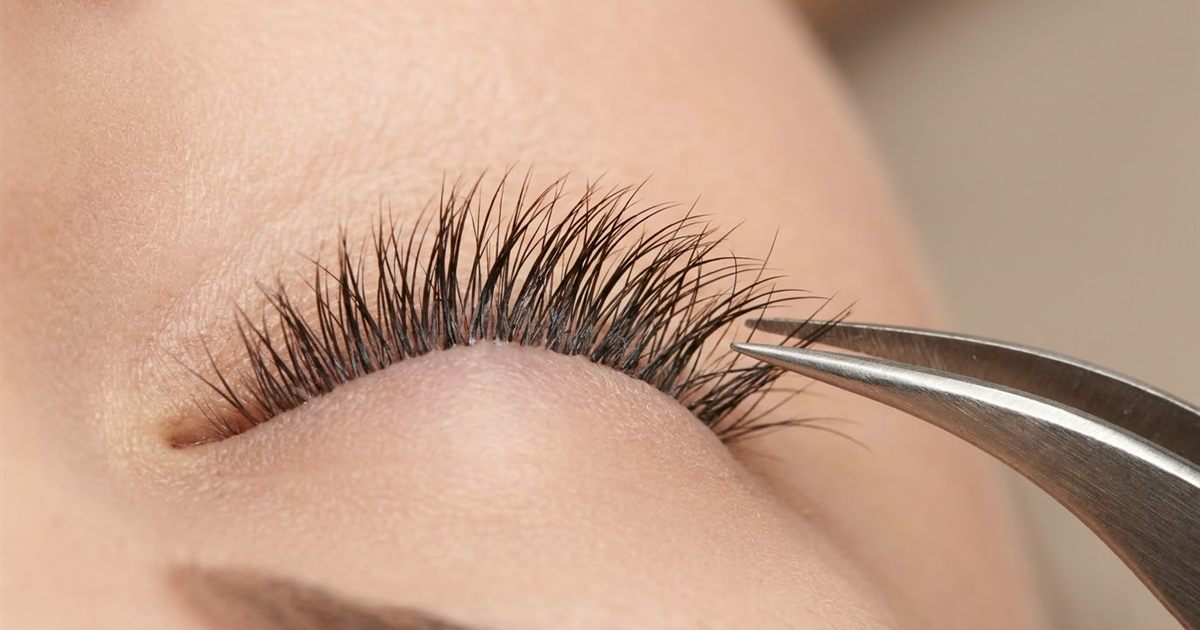
A client sits down for her refill and asks, a little worried, why her lashes look thinner than they did two weeks ago. A new lash artist might blame the adhesive, the weight of the extensions or their own technique. Sometimes those are the cause. But very often the real answer is simpler: natural lashes live on a growth cycle, and shedding is a normal part of it. Understanding that cycle changes how you plan refills, how you talk to clients and how you judge your own work. This guide explains the natural lash growth cycle in plain language and shows how to use it every day in a lash extension course and in real appointments.
Free Guide
Get Your Free Lash Extensions Starter Guide

A $17 value, yours free today. We'll send the guide straight to your inbox in the next minute.
You'll also get occasional lash tips by email. Unsubscribe anytime.
Why Lash Artists Need To Understand Growth Cycles
When you attach an extension to a natural lash, you are borrowing a living hair. That hair will eventually finish its life and fall out, and the extension goes with it. If you do not understand the cycle behind that process, every lash that sheds feels like a failure. If you do understand it, you can predict when a set will look thinner, schedule refills sensibly and give clients honest, confident answers.
This knowledge also protects you from common misunderstandings, like believing that retention problems are always about glue. If you want to explore the product side, how to fix poor lash retention covers that angle in full.
The Three Stages Of The Cycle
Hair growth, including eyelashes, is usually described in three stages. The names come from general hair biology, and the timing differs from person to person, so think of the numbers as typical ranges rather than rules.
Growth Stage
This is the active phase when the lash is forming and getting longer. A lash in this stage has a firm root and is anchored strongly in the follicle. It is the best candidate for an extension because it will stay for a good while. Lashes still growing are often shorter and finer, which is something to remember when you choose lengths and weights.
Transition Stage
The lash stops growing and the follicle starts to shrink. The lash is fully formed but is preparing to leave. This phase is short compared with the others.
Resting And Shedding Stage
The lash rests in place and eventually falls out, making room for a new one to start growing. A lash in this stage is the most likely to shed with an extension still on it, sometimes within days of your appointment.
At any moment, a person has lashes in all three stages mixed together. That is why you never lose every lash at once: the cycle runs at different points in every follicle.
How Long Does The Cycle Take
Natural lashes cycle faster than scalp hair. A commonly cited range is that a lash completes a cycle over about a couple of months, though the exact figure depends on the person, health, age and other factors. This is why extensions rarely last unchanged for more than a few weeks and why refills are typically recommended at regular intervals. Your course teaches you to use general ranges, never to promise a specific number of days.
Because every client is different, avoid making absolute statements. Say that retention depends on their natural cycle, their aftercare and their environment, and give an honest range.
What The Cycle Means For Your Appointments
Why Sets Thin Out Over Time
Every week, some of the lashes that carry extensions reach the end of their cycle and shed. The extension leaves too. A set that looked full at day one gradually shows gaps. This is normal, and a good explanation at the end of the appointment prevents worry. Lash refill appointments explained shows how to plan the schedule around this.
Why Refill Timing Matters
If a client waits too long, so many extensions shed that the remaining ones look sparse or are grown out so far that they twist. If they come too early, there may be little to fill. Giving a clear range, reviewing the set at each visit and adjusting to what you see keeps results consistent.
Why Early Lashes Need Extra Care
Newly grown lashes are fine and short. Heavy extensions on them can stress the follicle. This is where weight rules matter, and lash extension weight and natural lash health explains how to choose a safe weight for each lash.
Why Some Clients Shed More Than Others
Some people shed faster or have more lashes in the resting stage at a given time. Stress, illness, hormonal changes, certain medications and heavy product use can all affect lashes. You are not a medical professional, so if a client has sudden or unusual lash loss, suggest they speak to a doctor rather than guessing the cause.
Telling Normal Shedding From A Problem
New artists often panic at the sight of a lash on the extension at removal. Here is a simple way to think about it.
- Normal: a few lashes shed with the extension attached, usually mature lashes with a small white bulb at the base, spread randomly across the set.
- Worth investigating: large patches missing, lashes pulled out soon after the appointment or a client who reports pain. This can point to weight that is too heavy, glue placed on the skin or isolation errors, so review your technique with lash isolation technique for beginners.
- Medical concern: burning, swelling or severe redness. Stop service and follow the guidance in what to do if a client reacts to lash adhesive.
When in doubt, document what you saw and consult your trainer.
How To Talk To Clients About Growth Cycles
Clients appreciate honest, simple explanations. Here are phrases that work well:
- “Natural lashes shed on their own schedule, so a few extensions will fall out each week. That is normal.”
- “Most clients come back for a refill every few weeks, depending on how many lashes they have shed.”
- “If you notice big gaps early on, tell me. It helps me adjust the weight or style.”
Keep the tone calm and avoid promises. Your aftercare guidance reinforces the same message, and lash aftercare instructions for clients gives you a clear script.
Using The Cycle To Plan Your Own Training
You can use this knowledge to improve fast. After each practice session on a model, record how the set looks at the first refill. Note which lengths and weights held and which shed early. Finding practice models for eyelash extension training shows how to get honest feedback from volunteers, and model consent forms before your lash course keeps everything above board.
Common Beginner Mistakes Related To Growth Cycles
- Blaming the glue for every shed lash. Many sheds are natural.
- Choosing extensions that are too heavy for young lashes. Short, fine lashes need lighter extensions.
- Promising exact retention. Give ranges, not guarantees.
- Skipping the lash assessment. Look at your client’s natural lashes before choosing a style.
- Ignoring clients’ history. Medications and recent illness may change shedding.
- Not documenting. Notes make patterns visible.
A Simple Way To Track Your Own Clients’ Cycles
You do not need special software to learn from the cycle. After each appointment, jot down three things in the client record: the date, the style and weight you used, and the number of weeks until her next visit. At the refill, note roughly how full the set still looks and whether the shedding seemed even or patchy. After five or six clients, patterns appear. You will see which clients shed quickly, which keep their sets longer and how your own weight choices affect results.
This habit turns every appointment into a small experiment. It also makes your client conversations more credible, because you can say “last time your set held well for about this long” instead of guessing. If you are still practicing on models, the same log works, and it fits neatly with the homework ideas in lash course homework and practice tasks.
What Our Course Teaches
The Lash Extensions Master Course starts with the foundation: Module 1 includes Eye Anatomy and Product Knowledge, and Module 2 includes Lash 101 and Retention. Together they give you the vocabulary and understanding to explain the lash cycle clearly. You get 31 video lessons, lifetime access, a 90 plus page training manual and a certificate of completion for a one time $97 payment with a 7 day guarantee. For a broader introduction to the structure of the body of knowledge, see eye and lash anatomy 101 for lash training.
Final Thoughts
The natural lash growth cycle is the quiet rule behind every refill, every gap and every honest conversation with a client. Learn the three stages, remember that timing varies, choose weights that respect young lashes and explain shedding calmly. With that understanding, you stop fighting nature and start working with it.
Free Guide
Get Your Free Lash Extensions Starter Guide
A $17 value, yours free today. We'll send the guide straight to your inbox in the next minute.
You'll also get occasional lash tips by email. Unsubscribe anytime.
Frequently Asked Questions
It varies from person to person, but a natural lash commonly goes through its whole cycle over roughly a couple of months, with the visible growth phase lasting several weeks. Your training teaches you to explain this as a general range, never a promise.
Keep Reading
Popular Lash Training Guides
- Minimum Age For Eyelash Extension Training
- Eyelash Extension Training Cost In 2026: Real Breakdown
- Lash Tech License Requirements By State
- Is It Hard To Learn Eyelash Extensions? Honest Answer
Ready to go from reading to doing? See the full Lash Extensions Master Course or browse all lash training guides.