Eye and Lash Anatomy 101 For Lash Training
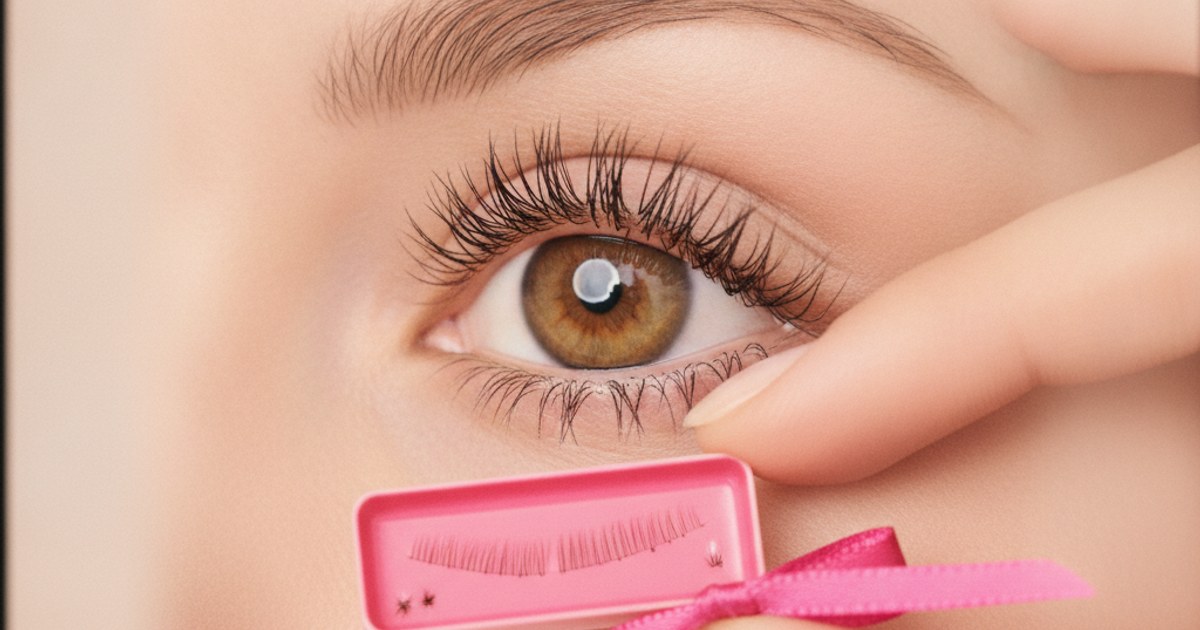
Most people picking an eyelash extensions training course skip straight to checking how many application videos it has, and that makes sense on the surface: you want to learn to actually lash. But the courses that produce technicians with genuinely good retention almost always start somewhere else entirely: how a natural lash actually grows, sheds, and behaves before an extension ever touches it.
Skip this part and you can still learn to attach an extension to a lash. What you will not learn is why a set sometimes falls apart in ten days for no obvious reason, or why one client’s lashes seem to reject product that works fine on everyone else.
Free Guide
Get Your Free Lash Extensions Starter Guide

A $17 value, yours free today. We'll send the guide straight to your inbox in the next minute.
You'll also get occasional lash tips by email. Unsubscribe anytime.
Lash extensions are attached to a living, shedding hair on its own biological timeline. Understanding that timeline is what separates guessing at retention problems from actually solving them.
The Natural Lash Growth Cycle, In Plain Terms
Every natural lash moves through three stages: a growth phase where it actively lengthens, a short transition phase, and a resting phase before it eventually sheds to make room for a new lash underneath it. At any given moment, the lashes on a client’s eye are a mix of all three stages side by side, not one uniform batch that grows and sheds together. This is exactly why extensions on a fresh, actively growing lash tend to last longer than extensions on a lash that is already near the end of its resting phase, and why some fallout in the first two weeks is completely normal rather than a sign of bad technique.
Why Isolation Is Considered The Hardest Skill To Learn
Isolation means separating precisely one natural lash from the lashes around it before attaching an extension. Because lashes overlap in different directions and different growth stages, doing this cleanly, quickly, and without discomfort to the client takes real repetition to master. A course that rushes past isolation to get to “the fun part” of full sets is setting you up to create stickies (two or more natural lashes glued together), which cause tension, discomfort, and lashes shedding earlier than they should, damage that a client will notice and blame entirely on your appointment.
Eyelid Types And Why They Change Your Approach
Not every eye is shaped the same way, and a course worth its price should cover this directly: hooded eyes, monolids, downturned eyes and deep-set eyes each change how a lash extension sits and how visible your styling choices actually are once the client opens their eyes normally, not just when they are closed on your table. Applying the same length and curl formula regardless of eye shape is one of the most common beginner mistakes, and it comes directly from skipping this part of training.
How Anatomy Knowledge Directly Improves Your Retention Results
Once you understand that a shedding lash cannot hold an extension no matter how perfect your glue application is, retention complaints stop feeling like a mystery. You start attributing early fallout correctly, to a lash that was already near the end of its cycle, rather than assuming your adhesive or your bonding technique failed, and you can explain this to a client with real confidence instead of a vague apology.
- The natural lash growth cycle has three overlapping stages happening at once, not one uniform cycle.
- Isolation is difficult because lashes overlap in direction and growth stage, not because of poor tweezer skill alone.
- Eyelid shape changes which lengths, curls and styling choices actually look right on a specific client.
- Some early fallout is a normal result of natural shedding, not automatically a technique failure.
- Refill timing should follow the real growth cycle (roughly 6 to 8 weeks), not an arbitrary fixed date.
What Our Lash Extensions Master Course Includes
The Lash Extensions Master Course builds its 31 video lessons on exactly this foundation before moving into classic, hybrid and volume application, filmed in professional 4K with Mauvella Lash Academy. It covers consultation, styling, retention, refills, removals and business training, with lifetime access, a Certificate of Completion, and a 7 day money back guarantee.
Final Thoughts
A course that jumps straight to “here is how to attach a fan” without ever explaining what that fan is actually attached to is skipping the part that predicts whether your clients come back in six weeks with a full, healthy set or a half-empty one. If retention issues are already something you are dealing with, read How to Fix Poor Lash Retention next, or see the full lesson-by-lesson breakdown of what a proper curriculum actually covers.
Free Guide
Get Your Free Lash Extensions Starter Guide
A $17 value, yours free today. We'll send the guide straight to your inbox in the next minute.
You'll also get occasional lash tips by email. Unsubscribe anytime.
Frequently Asked Questions
Because application technique without understanding growth cycles and eyelid anatomy leads to isolating the wrong lash, applying too much weight to a fragile hair, or working too close to the lash line, all of which directly cause premature shedding and irritation that a client will blame on you.
Keep Reading
Popular Lash Training Guides
- Minimum Age For Eyelash Extension Training
- Eyelash Extension Training Cost In 2026: Real Breakdown
- Lash Tech License Requirements By State
- Is It Hard To Learn Eyelash Extensions? Honest Answer
Ready to go from reading to doing? See the full Lash Extensions Master Course or browse all lash training guides.