Shaky Hands? Lash Extension Training Tips
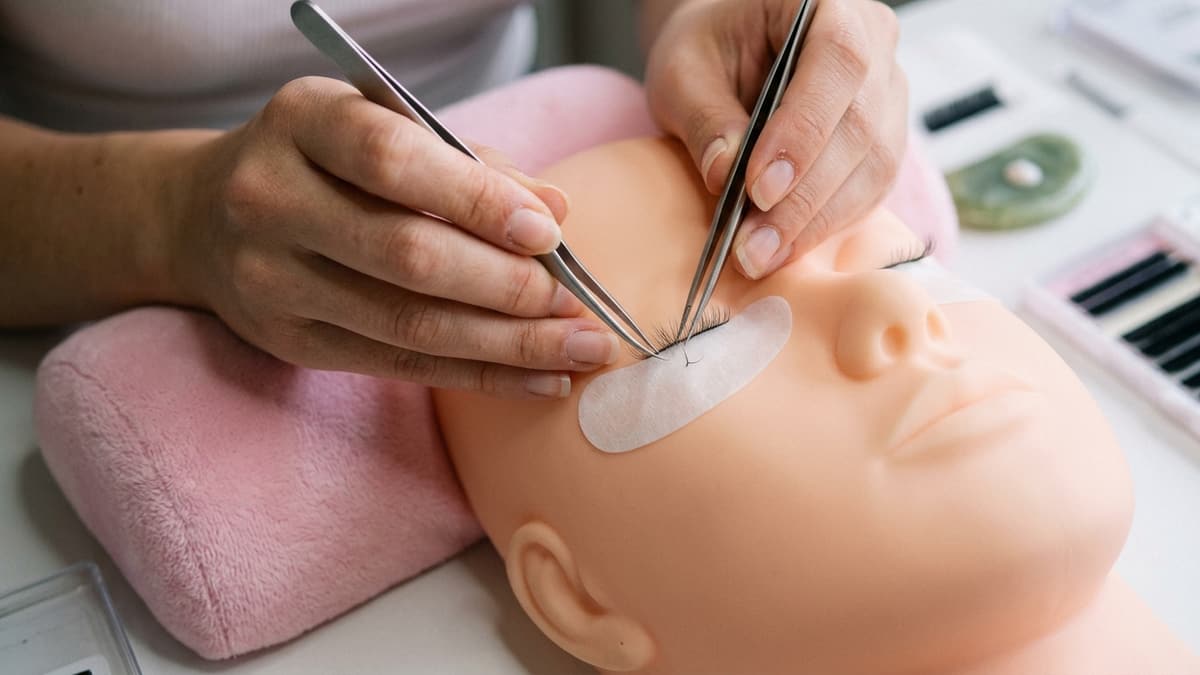
Lash extensions are tiny, precise work. You’re isolating a single natural lash, a fraction of a millimeter wide, and placing another hair on it while someone’s eye is inches from your hands. So it’s no surprise that one of the most common fears before enrolling in an eyelash extension training course is: “What if my hands shake?” If that worry has been keeping you from starting, this guide is for you. In most cases, shaky hands during lashing come from things you can change, and the students who worry about it most often end up among the most careful and consistent.
Free Guide
Get Your Free Lash Extensions Starter Guide

A $17 value, yours free today. We'll send the guide straight to your inbox in the next minute.
You'll also get occasional lash tips by email. Unsubscribe anytime.
First, A Reality Check About Steady Hands
Steady hands in lashing are far less about how still your hands are naturally and far more about how well you support them.
Nobody works with completely still hands. Experienced lash artists brace their arms, anchor their wrists, and rely on technique to control tiny movements. What looks like a natural gift from the outside is usually good positioning and lots of repetition. That means that if your hands tremble when you first pick up a pair of tweezers, you’re not disqualified. You’re at the starting point of a skill that improves with practice.
Common Causes Of Shaking While Lashing
Understanding why your hands shake makes it much easier to fix. The usual causes are:
Nerves. Focusing on a tiny target while worrying about doing it right creates tension that shows up as tremor. It’s extremely common on the first few days.
Muscle tension and grip. Gripping the tweezers too hard tires your fingers quickly, and tired muscles shake. Many beginners hold tweezers like a pen they’re afraid to drop.
Unsupported arms. If your elbows and wrists float in mid-air, every small muscle has to work to hold your hand still. Supporting the arm removes most of that work.
Fatigue and posture. A tired neck, shoulders, or back travels down to the hands. See ergonomics in eyelash extension training for a full guide to setting up your body properly.
Caffeine, hunger, and sleep. Too much coffee, skipped meals, or too little sleep can all make your hands less steady than usual.
Set Up Your Body To Do Less Work
The fastest improvements usually come from adjusting your setup, not from trying harder.
Anchor your arms. Rest your forearm or the side of your hand on a stable, comfortable surface while you work (your instructor can show you the positioning that suits your setup), so that the small muscles of your fingers don’t have to hold the weight of the whole arm.
Bring the work to you. Adjust your chair, the bed, and the lighting so you’re not reaching or hunching. A neutral back and relaxed shoulders reduce the tension that leads to shaking.
Use good light and magnification if you need it. Straining to see makes you lean in and tense up. Better light and, if useful, magnifying lenses let you stay relaxed.
Keep your workspace organized. Reaching for tools you can’t find breaks your rhythm and raises your stress. A tidy lash cart setup lets your hands move calmly.
Fix Your Grip
Hold your tweezers lightly, as if you were holding a small bird. If your knuckles are white or your fingertips ache after a few minutes, you’re gripping too hard. Let the tweezers do the work, use just enough pressure to control them, and check regularly during practice whether your hand has tightened up. Different tweezers also feel different in the hand, so a set that is too heavy or too stiff can make shaking worse. If you have any hand strength concerns, lash training with limited hand strength has more suggestions.
Calm The Nerves Before You Start
Since a large part of tremor is nervous tension, calming your body has a direct effect on your hands.
Take a few slow breaths before you begin, breathing out for longer than you breathe in. Roll your shoulders and shake out your hands to release tension. Start every session with a couple of easy warm-up movements, such as picking up and placing single extensions on a practice surface, before moving to anything demanding. Remind yourself that on a mannequin there is nothing at stake, and mistakes are simply part of learning.
Practice Short And Often
Steadiness is built through repetition, and short, frequent sessions tend to work better than occasional marathons. Fifteen to thirty minutes of focused practice most days lets your muscles learn the movements without becoming exhausted. Stop when your hands get tired instead of pushing through, since fatigue reinforces shaking rather than fixing it.
A mannequin head is the ideal place to start, because it removes the anxiety of working on a real person. When you feel ready, move to a willing model for a short session. There is a full guide in how to practice lash extensions between course lessons, and where to find lash practice models explains how to find people to practice on.
Habits Outside Practice That Help
Look at what you eat and drink before a lash session. Reduce caffeine on practice days if you notice it makes you jittery, and don’t practice on an empty stomach. Sleep matters too, since tired hands are less steady hands. Gentle stretching for your hands, wrists, neck, and shoulders can also help you stay relaxed. None of this is a cure, but together these habits can make a real difference.
When It Might Be More Than Nerves
Most shakiness while learning is related to nerves, tension, or setup. But if you have a tremor that is present at rest, that’s getting worse, or that happens regardless of stress or fatigue, it’s reasonable to talk to a healthcare professional. This isn’t medical advice, and lash work isn’t off the table for many people with tremors, but you should feel confident about your health and your clients’ safety before committing to precision work around the eyes.
Don’t Compare Your Day One To Someone’s Year Five
Watching experienced artists work on social media can make your own hands feel clumsy by comparison. Remember that they’ve done thousands of sets, and their calm movements are the result of practice, not luck. Measure yourself against your own last week. If your isolation is a little cleaner and your hands a little calmer than seven days ago, you’re on track. For more encouragement, see is it hard to learn lash extensions? and what if you struggle in lash extension classes?.
What Our Course Includes
The Lash Extensions Master Course is designed for complete beginners with no previous experience. Its 31 video lessons include a classic mannequin head lesson, step-by-step application, and lessons on lash artist health so you can set up your body properly from the start. You can pause and rewatch any step as often as you need, at your own pace, with lifetime access for a one-time payment, which is ideal if you want to practice slowly until your hands feel steady.
Final Thoughts
Shaky hands are one of the most common worries in eyelash extension training, and also one of the most fixable. Support your arms, loosen your grip, calm your nerves, and practice in short, regular sessions, and most students see steady progress. Give yourself permission to be a beginner, and let the steadiness build over time. When you’re ready to keep going, read how long it takes to learn lash extensions or not artistic? a lash course for beginners.
Free Guide
Get Your Free Lash Extensions Starter Guide
A $17 value, yours free today. We'll send the guide straight to your inbox in the next minute.
You'll also get occasional lash tips by email. Unsubscribe anytime.
Frequently Asked Questions
Many people whose hands shake when they are nervous or tired learn lash extensions successfully, because most of the shake comes from tension, posture, and grip that can be improved. If you have a persistent tremor that is not tied to nerves or fatigue, speak with a healthcare professional before you decide.
Keep Reading
Popular Lash Training Guides
- Minimum Age For Eyelash Extension Training
- Eyelash Extension Training Cost In 2026: Real Breakdown
- Lash Tech License Requirements By State
- Is It Hard To Learn Eyelash Extensions? Honest Answer
Ready to go from reading to doing? See the full Lash Extensions Master Course or browse all lash training guides.